The Myth of "Set and Forget" Digital Assets
 Bret Siers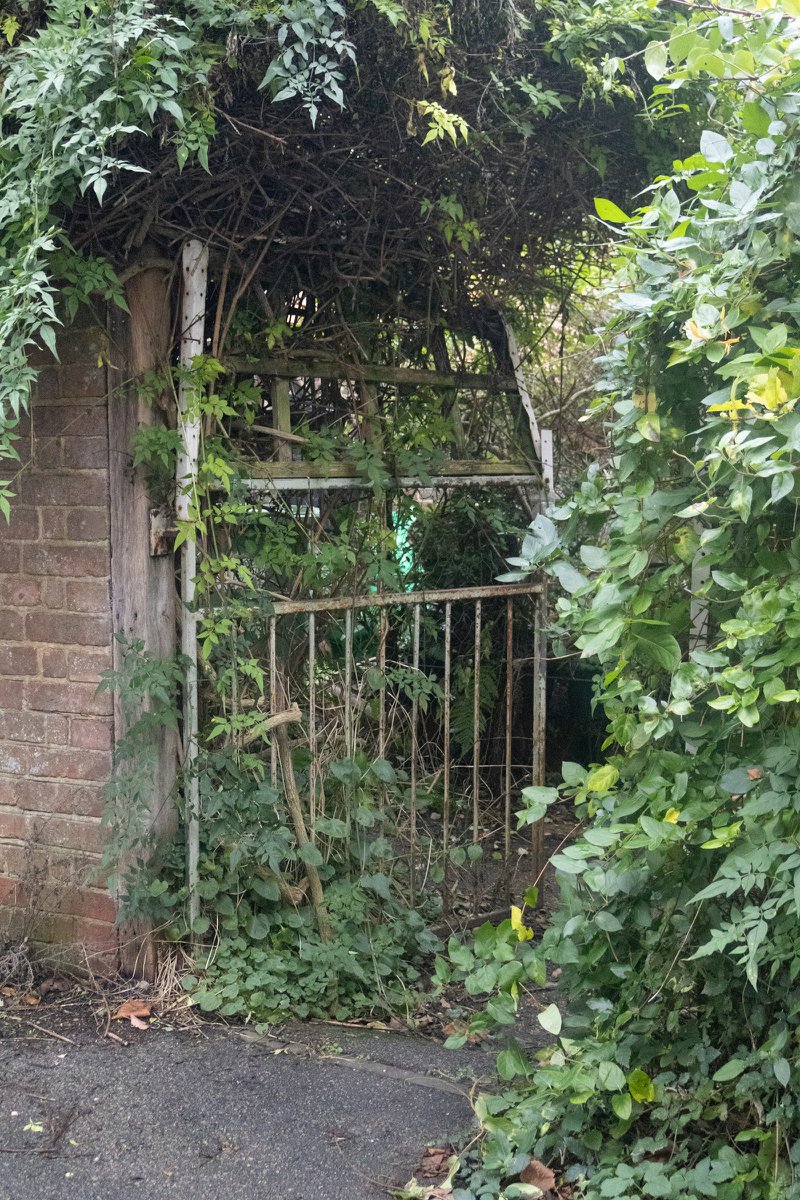
I checked on a domain I hadn't touched in two years last month. I remembered the night I bought it. Sitting in my home office, the idea so clear I could already see the landing page. I registered it, set up DNS, built a quick site, wrote a few pages, and told myself I'd come back to it when things slowed down.
Things never slowed down.
When I finally pulled it up, the SSL certificate had expired. The browser threw up a full-screen warning, "Your connection is not private," like the site was dangerous. One of the pages referenced a tool that no longer exists. Two of the outbound links pointed to 404s. The "About" section mentioned plans for 2023.
Nothing had been vandalized. Nobody attacked it. The domain just sat there while everything around it moved. And now it looked abandoned. Not because I made a decision to walk away, but because I made no decisions at all.
Here's the thing about digital assets: they don't hold still. We treat them like we treat a safe deposit box. Lock something valuable inside, come back later, find it exactly where we left it. But that's not how any of this works. A study by Pew Research Center found that 38% of webpages that existed in 2013 are no longer accessible today. Not neglected. Not degraded. Gone. A quarter of all web pages created between 2013 and 2023 have disappeared entirely.
Nobody says "set it and forget it" about a house. Not about a car, not about a garden. We understand that physical things require maintenance. But somehow, we convinced ourselves that domains are different. That domain depreciation isn't real. That a website, once built, holds its value like a rock on a shelf.
It doesn't. It decays like everything else. Quietly, steadily, and with interest that compounds.
"Build It Once, It Works Forever," and Other Lies We Tell Ourselves
The misconception isn't stupidity. It's understandable.
Physical assets depreciate in ways you can see. Paint peels. Engines seize. Roofs leak. Digital assets depreciate invisibly. Links break at 3 AM. Certificates expire without a sound. Content drifts from relevance while nobody's watching. The founder believes nothing changed because nothing visible changed. But discovery systems don't care about what's visible to you. They care about what's visible to them.
And to them, silence is information.
Digital asset maintenance sounds like something only large companies need to worry about. It sounds like overhead. The truth is simpler and harder: every domain you own is either being maintained or it's losing ground. There is no neutral.
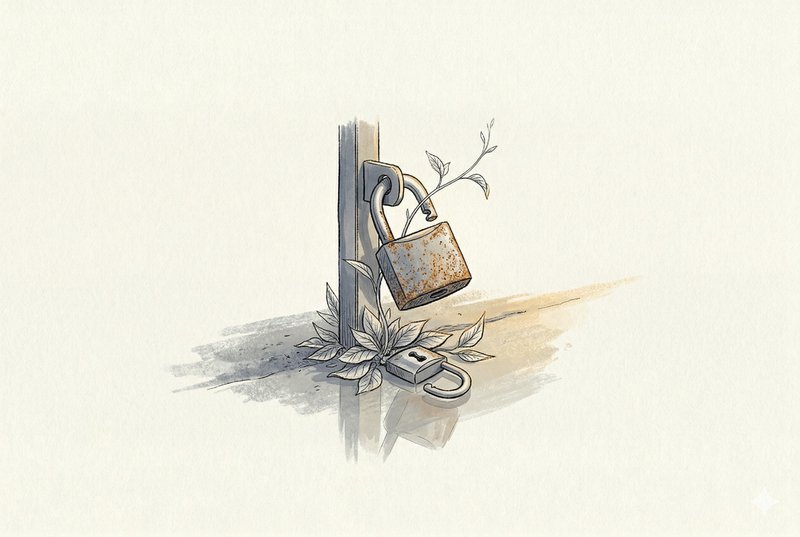
And domain registrars won't tell you that. "Renew your domain" implies you're protecting value. You're not. Renewal without maintenance is paying property tax on an abandoned building. The registrar profits whether or not the domain does anything useful. They won't tell you the domain is losing value while you keep the lights on.
Consider how common technical neglect is. According to Sectigo research, 88% of companies, companies with teams, budgets, and IT departments, experience unplanned outages from expired certificates. If resourced organizations can't keep their certificates current, what chance does a solo founder with 10 domains have?
And the cost isn't theoretical. Almost 90% of visitors stop what they're doing when they encounter an SSL expiry warning. About 72% leave immediately. Not "eventually." Immediately. Your visitors aren't waiting for you to notice. They're already gone.
The question isn't "does my website lose value if I stop updating it?"
It does. And it starts losing value sooner than you think, in ways you can't see.
What Stagnation Actually Costs
Here's where it gets concrete.
Content decay isn't a dramatic event. It's not a server crash or a hack. It's a slow accumulation of small failures that add up to a system-level problem. Links break one at a time. A source you cited shuts down. A statistic you quoted gets updated, and now your page has the old number. A tool you recommended gets acquired and the URL redirects to a marketing page. Each of these is trivial by itself. Together, they're systemic.
Pew's research paints the full picture: 21% of government web pages contain at least one broken link. Government sites, the ones with dedicated teams and public mandates. If those institutions can't keep their links working, the rest of us need to be honest about what happens when we look away.
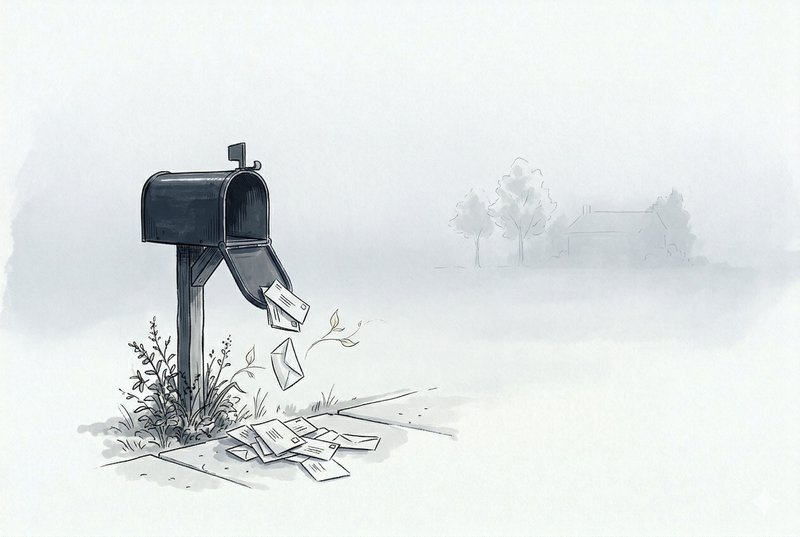
Certificates expire. As noted above, expired certificates drive away the vast majority of visitors instantly. One missed renewal, and your domain goes from functional to functionally invisible.
Content drifts. A page written in 2022 that references "current trends" or "this year's data" isn't wrong in the way that a factual error is wrong. It's wrong in the way that a faded storefront sign is wrong. It tells everyone who sees it that nobody is paying attention anymore. And every system that evaluates your domain notices.
The patience premium, the advantage that compounds when content has years to accumulate trust, requires that the content still exists to compound. Content decay kills compounding. You can't earn compound value appreciation from something that's quietly falling apart.
And here's where it gets worse. The damage doesn't stay local. It travels upward into the systems that decide who gets seen.
Discovery Systems Read Absence as Information
Sometimes I hear people frame stagnation as "my site just stays where it is." As if not updating means your position is frozen. That's the comfortable version. It doesn't work that way.
A domain that stops publishing doesn't go invisible. It goes stale. And stale is worse than invisible, because stale is actively deprioritized. Discovery systems don't simply index content and leave it forever. They re-evaluate. They check freshness. They compare your domain's activity to everyone else's in the same space.
According to First Page Sage's 2025 analysis, content freshness rose from less than 1% to approximately 6% of the discovery algorithm weighting in just two years, though these are third-party estimates, not disclosed figures. Pages that are updated at least once per year gain an average of nearly five positions in search results compared to pages that haven't been touched. That's not a penalty for bad content. It's the cost of silence.
And this isn't some obscure technical detail. Google's own documentation describes freshness systems designed to prioritize updated content for queries where current information matters. The system is built to notice when content stops being maintained. It doesn't forget about you. It learns that you've stopped paying attention.
Here's what's worth understanding: Google's documentation also warns against changing dates on pages to make them appear fresh when the content hasn't actually changed. The system can tell the difference between genuine care and cosmetic updates. Between real stewardship and surface-level tricks. It's not rewarding frequency. It's rewarding honesty.
"But my content is evergreen," you might say. "It shouldn't need updates."
Here's the honest answer. The content might be evergreen. The links it contains are not. The data it references is not. The competitive environment around it is not. And the discovery systems evaluating it do not care about your intention. They care about observable signals. A page that hasn't been touched in three years sends the same signal whether the content is timeless or time-sensitive: nobody is home.
Static pages don't build trust. Continuity does. And continuity is the opposite of set-and-forget. Continuity is the quiet signal that someone is paying attention.
The Compound Cost of Not Caring
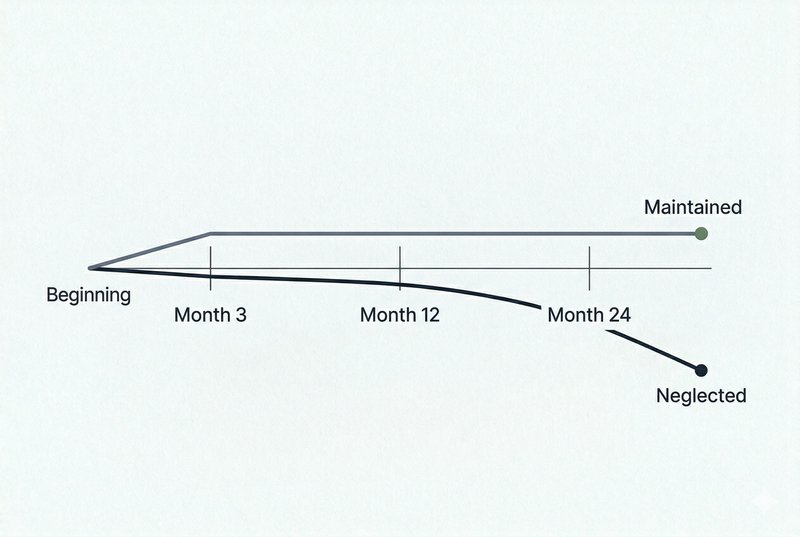
This is the part that catches people off guard. Just as stewardship compounds positively, neglect compounds negatively.
Year one of neglect costs almost nothing visible. Maybe a few broken links. Maybe a certificate that auto-renewed because you set it to. The domain looks the same. You have no reason to think anything is wrong.
Year two, the content starts drifting. The freshness signals fade. Competitors in the same space have updated their pages, and discovery systems notice the difference. Not as a punishment. As a comparison. Your page didn't get worse. The world moved and your page didn't.
Year three, the structural damage becomes real. According to Ahrefs' link rot study covering over two million domains, 66.5% of all links pointing to websites since 2013 have died. Two-thirds of the connections your domain earned when you went live, every mention, every reference, every path that led discovery systems toward your domain, may now be dead. And if you haven't been creating new ones, the network your domain relies on for visibility is contracting while you assume it's stable.
That's the compounding math, and it's the cruelest part. Digital asset maintenance costs are small and linear. A few hours a quarter. Recovery costs are large and exponential. Months of rebuilding a reputation that systems have already learned to ignore. You're not starting fresh. You're correcting a record.
Ownership without stewardship equals decay. That's not a slogan. It's a structural fact.
Scale makes this visible faster. At 50 domains, you can't afford set-and-forget. But even at one domain, the math is the same. It just takes longer to hurt.
The SiteWarming perspective: This is a maintenance problem disguised as an ownership problem. The web's discovery systems learn from what they repeatedly see, and empty space becomes a durable signal. Warming provides the consistent care your domains need, moving the story forward on your behalf while you focus elsewhere. Not elaborate maintenance on your part. Just automated presence that keeps a domain legible over time. What is SiteWarming?
What "Maintenance" Actually Looks Like
The word "maintenance" triggers the same resistance as "exercise." It sounds like ongoing work, and founders already have too much to do.
But here's what I've learned: the reality of minimum viable stewardship is far smaller than what people imagine. It's not rebuilding. It's not daily attention. It's the digital equivalent of changing the oil. Small, periodic, preventative.
What minimum viable stewardship actually looks like:
- One content update per month, even 300 words that reflect current reality
- Schema and structured data verified annually
- Working links checked quarterly
- Certificate and hosting auto-renewal confirmed and monitored
- One new connection to a relevant page per quarter
That's it. This isn't a content calendar. It's a care schedule. And the distinction matters: a content calendar is about output. A care schedule is about keeping what you already built from falling apart.
But there's an important nuance. The implicit objection is usually something like: "My content is evergreen, it doesn't need updates." And sometimes that's almost true. But even genuinely evergreen content sits inside a technical container that does need attention: links, certificates, schema markup, structured data. Even if the words don't change, the infrastructure around them has to be verified. Discovery systems don't just reward freshness. They specifically warn against faking it. Changing a date on a page without changing the substance doesn't count. The system can distinguish between real updates and cosmetic manipulation. Real digital asset maintenance means substantive attention. Not frequent. Just honest.
Revenue compounds on trust, and trust requires that your domain stays legible. When someone lands on it, the infrastructure works, the content is current, and the signals are clear. None of that happens automatically after the initial build.
I keep coming back to the domain I checked on last month. The one with the expired certificate and the broken links and the plans for 2023.
It wasn't a bad domain. It wasn't a bad idea. I just stopped paying attention. And in the time I looked away, everything around it kept moving. Discovery systems re-evaluated, links died, competitors updated, and my domain quietly slipped from "active" to "abandoned" in the eyes of every system that once knew it was there.
Nobody told me it was happening. That's the thing about domain depreciation. It doesn't send a notification. There's no red banner that says "your domain is losing value." It just happens, the same way a garden grows over when you stop tending it. Not all at once. Slowly enough that you don't notice until you come back and realize the path is gone.
The domain you registered during a real moment of inspiration still matters to you. The question is whether it still looks like it matters.
Content that stops being maintained stops being memory. The story behind the idea, the vision that made you buy the name in the first place, quietly disappears. Not dramatically. Not all at once. Just gradually, as the links break, and the certificates lapse, and the freshness signals fade, and the systems that route people toward ideas learn to route them somewhere else.
The cost of care is small. The cost of neglect is everything you built, quietly becoming nothing, while you assumed it was fine. And the question that follows, what happens to domain identity over the next decade, depends entirely on whether someone is still paying attention.
Image Credits
Photo by Tanya Barrow on Unsplash
Share this article
Ready to Transform Your Domain Portfolio?
Start building real value with your domain investments today.